





Disclaimer: At roughly 30 minutes, this article covers only a fraction of the challenges we face together. While we can’t delve into every issue in full depth, our investigation into Twitch’s hidden profits awaits you at the end (this article’s so extensive, you might need road signs to find it!). By supporting The HSL Team™, you empower investigations that reveal concealed practices and advocate for creators’ fair treatment. Stand with us. Let’s make a real difference.
I’m Michaël Papa, and House Station Live .com isn’t just a project to me; it’s a battle for survival. Every day, we edge closer to shutting down. This isn’t some distant “what if”—it’s a daily reality we’re trying to stave off, one heartbeat at a time. While others sleep soundly, we lie awake, wondering if this will be the day our dream dies. While others enjoy simple pleasures, we sacrifice everything—time, health, peace of mind—just to keep House Station Live .com alive. I don’t have a corporate team behind me, nor a series of sponsors with deep pockets. I have only the stubborn belief that, against all odds, we can build something meaningful, something real, something that doesn’t compromise. Over the past three years, I have poured everything into this. My diet has been reduced to endless plates of rice and pasta, not out of choice, but out of necessity. Every spare cent is funneled back into House Station Live .com, even when it means sacrificing basic comforts that most people take for granted. This isn’t just about financial survival; it’s about mental resilience in the face of endless setbacks.
Caisse d’Allocation Familiales: €15,000 stolen in 2020 for failure to provide service
Appy Pie: €5,000 stolen in 2023 for abusive contract termination
Unicis: €2,500 stolen in 2024 for abusive contract termination
Indeed: €500 stolen in 2024 for abusive contract termination
Imagine signing a contract, feeling your hope surge because this contract—promised “for life”—could be the lifeline you desperately need. And then, after only a few months, it’s terminated without warning. Not once, but three times in as many years. Imagine spending years sacrificing comfort, cutting back on meals, and watching every penny just to build something real. And then, when you think you’ve finally found a trustworthy partner who promises to help you grow, they abandon you without a second thought. This isn’t just disappointing—it’s devastating. Appy Pie sold us a “lifetime” subscription for nearly €5,000, only to cut off access after five years, as if “lifetime” were just a convenient label to boost their profits. To make matters worse, they kept bleeding us dry with annual fees labeled as ‘maintenance’ and ‘bandwidth’—charges for services they simply didn’t provide. Our applications were hosted directly on Google Play and the Apple Store. In truth, the only thing stored on Appy Pie’s servers was a ‘privacy policy’ page—a file so light it barely registered a few kilobytes. And yet, we were billed for ‘bandwidth’ on a page so minimal it might as well not have existed. It was absurd, insulting even—a stark reminder of how easily they could take advantage of our trust and vulnerability.
It’s hard to convey the pain of watching a dream crumble because a partner saw us as nothing more than an easy profit. If you’ve ever been betrayed by empty promises, if you’ve felt powerless against corporate greed—stand with us. We need your help now. Stand with us by contributing to our fight for justice, so that stories like ours don’t keep repeating. Every donation, every message of support, is a statement that we will not be defeated by greed and indifference. Each betrayal left us not only financially wounded but emotionally gutted, wondering how we could survive another hit like that. Imagine the weight of that on your shoulders, knowing that every lost contract inches us closer to disappearing entirely. When you sign a contract with a matrimonial broker, you’re entrusting them with something deeply personal—your hope for a future shared with someone special. It’s more than a business transaction; it’s a leap of faith. Imagine opening up your heart to someone you trust, only to have them disappear without warning, leaving you with a deep wound and broken promises. That’s the kind of heartbreak we’re facing—except it’s our dreams that are crumbling. The betrayal I experienced wasn’t just professional—it was personal and deeply painful.
They speculated with my heart under the guise of a matrimonial brokerage. The ‘love trader’ meticulously reviewed my profile, and I entrusted them with a signed authorization to manage my heart for a €2,500 investment. I mean. Literally. But by breaking the lifetime contract without even a single partner proposal, they trampled on my heart, crushed it underfoot. They used my sentimental life like a doormat and played with my feelings for their own profit. They became the legal owner of my heart and broke it within three months, for no serious reason, without any notification.
If you’ve been misled, mistreated, and left unheard, then you understand why this isn’t just about money; it’s about survival. By supporting us, you’re not only standing up for justice but for the principle that such betrayals should not befall anyone else. Join us in ensuring that such exploitation never goes unchallenged. Let’s make sure no one else has to endure this pain in silence.
Dinoh Gallo: Computer Fraud & Sabotage, Stalking, Intellectual Property Violation, Material Degradation (2024)
Lina Kehal: Abuse of Weakness (2024)
Célia Barbera: Malicious False Accusations, Stalking (2024)
Rkia Babaal: Sexism (2024)
Marie Derognant: Violation of Dignity (2024)
The collaborators we trusted, who we thought would support this vision? Too many have turned out to be anything but allies. We opened our doors to them, welcomed them as partners, only to be met with manipulation, aggression, and outright hostility. Some came not to help build, but to tear down. They left scars—not just financial but emotional scars that I carry every day. And despite filing complaints, despite looking for legal help, the system remains silent, indifferent. I’m also facing a disturbing reality in trying to find volunteers—a single person willing to give their time out of pure passion. The young people who come to us often lack the skills and don’t arrive with a spirit of learning or dedication. Too often, they come with criticism or, worse, outright hostility. And the job market, the so-called “collaborators,” the platforms that are supposed to help—none of it is what it seems. Instead of support, we face a daily barrage of obstacles, automated systems that flag our content, platforms that shut us down without a word, technical issues that eat away our time and energy. It’s a battle on every front, and most days, it feels like we’re drowning. We live in a violent society—a society that seems to thrive on breaking down anything that doesn’t fit the mold. Some people think we’re “nobodies” just because we don’t have the influence or visibility of the big players. To them, we’re an easy target, a punching bag for their frustrations. And believe me, they don’t hold back. They attack us online, send hateful messages, even try to destroy us with public shaming and doxxing. All this, just because we dared to exist, dared to create something they didn’t understand or appreciate.
I found it necessary, in the interest of transparency and because of the heart-wrenching failure of the legal system, to list the harms inflicted upon us by these individuals, just as we have cataloged the damages caused by our supposed “partners.” This isn’t drama—it’s reality, built on real, concrete, and verifiable facts. No censorship, no sugarcoating. We are left with no choice but to expose these people and their actions. If criminals can destroy lives with impunity, then we consider it our duty to name and shame them. It is part of who we are, part of our core values: if we can’t stop them from tearing us apart, if we can’t respond to their relentless attacks with equal force, then let the world know this—we refuse to be silenced by intimidation. This, right here, is self-defense at its rawest.
As I write, Dinoh’s surveillance and attacks continue unabated. Each moment of inaction by the justice system only deepens the wound—because in the end, inaction and delay are one and the same. This public record, this painful truth, is our last line of defense, our only weapon left in this fight for survival. Only God knows how many times we’ve been hunted, humiliated, degraded by these hateful people, individuals who boast of their tens of thousands of followers, ready to destroy us with a single post. Only God sees the true damage to our reputation, damage that we can never fully see or measure. And so here we are, left to fend for ourselves, scraping together the courage to keep going, knowing that at any moment, we could be crushed. If you’re reading this, if you have any sense of justice left, we need you. We need people who believe in decency, who believe that honesty should not be a death sentence. Stand with us, not just for us, but for every small voice that fights to be heard in a world that seems to have lost its soul.
Tinder: €5,000 stolen in 2021 for fraud, Violation of Human Dignity, Systemic Discrimination, Sexism
Twitch: €5,000 stolen in 2023 for fraud and concealed labor (2023)
Facebook: Digital Dispossession and Complicity in Digital Theft (2020)
Twitter: Digital Sabotage and Loss of Lifetime (750 hours) (2024)
Imagine pouring your trust, time, and money into platforms that promise visibility, community, and opportunity, only to be betrayed at every turn. Tinder, for instance, isn’t just a dating app—it’s a stage for fraud. €5,000 stolen in 2021 in exchange for “boosts” that produced nothing but empty promises, a clear violation of trust. Yet, the damage goes deeper than financial. Tinder’s biased algorithm perpetuates Systemic Discrimination and Sexism, reducing users to commodities in a marketplace of “human consumption.” A privileged few are showered with attention while the vast majority are left to face rejection and invisibility. This isn’t just an inconvenience; it’s an assault on human dignity, a system that traps countless users in a cycle of self-doubt, despair, and even isolation.
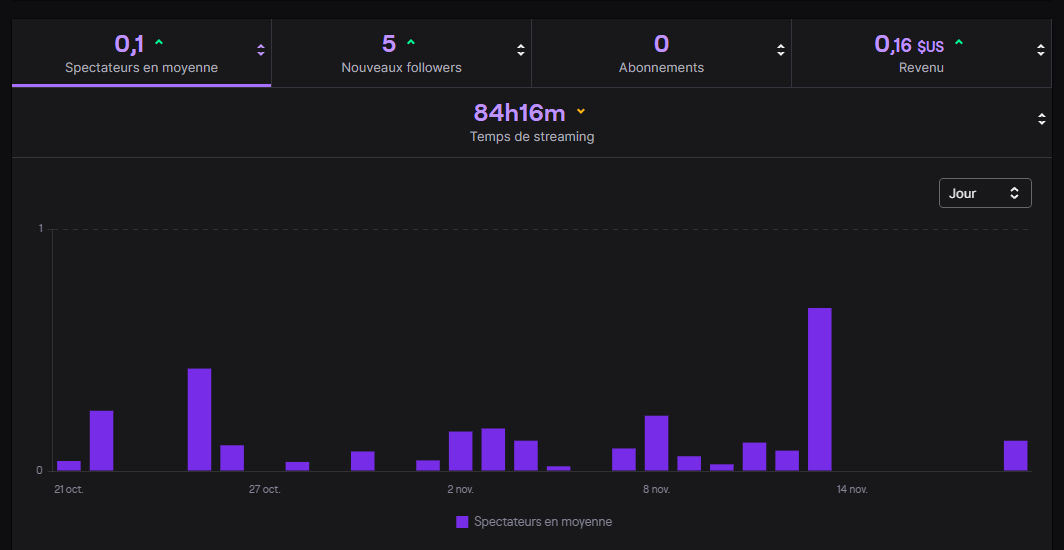
Imagine dedicating 20 hours a week to full-time streaming, believing that all the time, effort, and sacrifice might lead to something real, something rewarding. But after six months of streaming, video editing, and engaging with my audience, Twitch’s partnership report came back with a harsh reality check: my work was valued at a mere €0.002 per hour. Twitch won’t even release the €5.20 I “earned,” because their payout threshold is set at €100. For six months of dedication, I am left with nothing. Nothing but the echo of my own effort and a broken dream. Maybe in 1962, a few cents could buy an ice cream. But let’s be honest—gaming isn’t cheap. This is “Uberization” at its most exploitative: Twitch lures us in with the illusion of opportunity, burying our profiles so deep that visibility and real earnings remain a distant mirage. It’s not just low pay; it’s exploitation dressed up as a chance at success, with Twitch acting as the “AI boss”, setting the rules, reaping the rewards, while we, the streamers, are left in a cycle of hidden, disposable labor.
And there’s a heavy financial toll, too. A new game today is €80, and with DLCs and expansions, that price can reach €500 per game—because let’s face it, no one wants to watch a streamer with just the base version. Audiences expect a fully immersive experience, advanced techniques, and insights—all of which require endless hours of personal sacrifice and financial investment. We give up evenings, weekends, moments with loved ones, pouring every resource we have to keep up, hoping it will one day pay off. But in the end, it’s us—the streamers—who are left paying the bill for Twitch’s profit model, left empty-handed, with nothing but the remnants of a dream that Twitch sold to us, one false promise at a time. Facebook, a platform that should connect people, instead enabled theft at the most personal level. In 2020, due to Digital Dispossession and Complicity in Digital Theft, I lost ownership of my business page without a single warning. My brand, my community, even my customers’ private messages—all handed over to a stranger, a thief, while Facebook’s silence and refusal to help only deepened the wound. Imagine building something meaningful, only to lose it in an instant, with no recourse, no evidence of ownership, no chance to warn your audience that their data and trust are now in the hands of a criminal.
And then, there’s Twitter, where I invested 750 hours of my life over 10 years, only to find out I had been shadowbanned for six months without notice. This Digital Sabotage not only stole my time but destroyed the fruits of a decade’s worth of effort, stripping away my community and my voice in one fell swoop. Twitter’s opaque algorithms and silence reduced my hard work to nothing, a Loss of Lifetime that can never be recovered. Three platforms, three betrayals, and a cumulative assault on trust, dignity, and human worth. Each platform, through negligence or active harm, has left me with losses—financial, emotional, and personal—that go beyond mere inconvenience. They are modern giants, yet their silence in the face of wrongdoing speaks volumes. In a world where tech platforms hold so much power, who stands up for the people crushed under their weight?
UberEats: €7,500 stolen in 2020 for fraud, Deceptive Commercial Practices
AXA with Uber: €1,000 stolen in 2020 for fraud (unpaid sick leave compensation)
Getaround: €15,000 in 2020 for fraud, Misappropriation of Property, Deceptive Commercial Practices
Imagine signing up with UberEats, enticed by promises of “easy extra income.” The reality? €7,500 stolen in 2020 in exchange for endless hours of work under exploitative conditions. Despite working tirelessly for UberEats, I earned only €2 per hour for 450 hours—when the legal minimum wage was €10 per hour. UberEats misled me with their empty promises of “extra income.” And then there’s AXA with Uber, where I was denied €1,000 in sick leave compensation after falling ill. Not a cent was offered in compensation, exposing Uber’s true nature: a business that exploits its workforce and refuses to protect them when they’re at their most vulnerable.
And Getaround, luring me in with promises of “easy income,” left me with nothing but shattered trust and €15,000 in losses. They encouraged me to rent out my car without disclosing the severe risks involved. Instead of steady earnings, I faced countless midnight calls to hand off the vehicle, irreparable transmission damage, drained batteries, vandalized interiors, and stacks of unpaid fines that cost me points on my license. My once pristine Mini Cooper S—a high-end car I cherished— became a symbol of frustration. Despite my specific instructions for gentle handling, it came back scratched, dented, and neglected, marked by the kind of wear it would never have seen otherwise. The loss was so bitter that I couldn’t even bear to drive it. I had to sell it at a €10,000 loss just to escape the nightmare it had become.
But it didn’t end there. When renters vanished with my car—cases that anyone would call theft—Getaround turned a blind eye, offering no support or accountability, even though nearly 50% of car “thefts” on platforms like these are due to such abuses of trust. For Getaround, it’s just another transaction; for us, it’s the destruction of something we value, something we trusted them to protect. They profit off our faith in their system, while we’re left with the emotional wreckage and financial devastation of what they promised to safeguard. And justice? When I reported the theft to the police, I’d just disabled the vehicle remotely. They quickly found the renter in my car, still trying to restart it. A few days later, I retrieved my car—with a PlayStation 4 left in the trunk, an odd memento from the ordeal. But the real “surprise” came when the same renter appeared at my door, punched me in the face, and “thanked” me for reporting him. Now, I understand why so many victims never report crimes; I’ve experienced firsthand the fear of retaliation. What did justice offer in return? A reminder that, too often, seeking help can make you a target.
And this story doesn’t end with Getaround or the police’s indifference. It marks the beginning of a long, disillusioning journey through the legal system itself. Since 2020, I’ve reached out to more than 25 lawyers, spending nearly €2,500 in consultation fees—each time pleading for help, only to leave with nothing but a profound sense of betrayal. These weren’t casual consultations; they were urgent cries for justice, born from real desperation. Instead, I faced the same unsettling pattern—a calculated indifference dressed as professionalism, the same abandonment I experienced with Getaround, only this time cloaked in the authority of the law.
Lawyers: €2,500 stolen (€100 x 25) by 25 different lawyers between 2020 and 2023, for abuse of weakness and deceptive practice
Unlike doctors, who are bound to help the moment they see a patient, lawyers hold the right to turn us away—a power that some wield with calculated precision to their financial advantage. Over the phone, they’d insist I bring my documents, claiming they needed a “thorough case review” to decide if they’d take my case. But when I arrived, my hopes hinging on this encounter, they’d barely glance at the papers I’d painstakingly gathered. After mere minutes of skimming through them, they’d deliver a cold, rehearsed rejection. It was clear this interest was a charade—a tactic to justify charging a fee. Imagine sitting there, vulnerable, with all your hopes hanging by a thread—only to realize that they never intended to help. Their interest was merely pretense, a way to secure their fee. And without hesitation, they’d bill me—often without an invoice, making it impossible to reclaim anything. Most provided no contracts, no record of our meeting, blocking any chance for reimbursement and allowing them to end the relationship at their convenience, often with just a casual text message. Hello, Ms. Bouhadouza, how are you? (It’s fitting, almost ironic, how this greeting falls here).
Let’s give a heartfelt shoutout to our friend, Mr. Docteur—yes, that’s his real name. As a last resort, I turned to him, scraping together the €100 he quoted for a consultation, hoping against hope that this meeting would bring some clarity. When I arrived, I requested an invoice, needing it to keep a precise account of the costs accumulating in this exhausting search for justice. That’s when he told me that an invoiced consultation would cost €120—the extra €20 to cover VAT if an official document was involved. I was stunned. Later that evening, I reluctantly accepted, realizing that every scrap of evidence, every invoice, was essential to track the financial toll of this pursuit of justice. The irony? I was willing to pay more, only to be met with silence. Mr. Docteur promptly sent his bank details, yet to this day, that invoice remains just another empty promise. And it didn’t stop with him. The next two lawyers I consulted dodged my requests for receipts as well, despite my clear insistence on accountability. Each consultation followed this same pattern—a brief, hollow “review of the case,” followed by rejection. Every fee represents a sacrifice—a meal skipped, a bill delayed—all in hopes that one of these professionals would finally offer real support.
In moments like these, I wish people would look beyond ratings. If they only knew that reputation is often just an illusion, carefully protected by lawyers who selectively avoid clients in real need. A book like Chronique du Mépris Ordinaire (Chronicles of Ordinary Contempt) by Michel Amas stands as a profound reminder of the empathy, integrity, and dedication that should define this profession—a standard too often masked by superficial ratings and carefully crafted reputations. For anyone who might not have understood, it’s not about a phonebook listing ‘trustworthy’ lawyers; it’s about the exceptional courage Amas showed in deciding to write this book—not any book, but Chronicles of Ordinary Contempt—at all.
It’s easy to see how someone as calculated as Mr. Docteur keeps his Google Maps reviews glowing. Clients, often as desperate as I am, choose lawyers based on polished ratings, assuming they’re in good hands. But if people only knew that these stars and reviews hide the reality—that vulnerable clients are often turned away when they’re most in need. Many lawyers, in fact, cite the “risk of losing” as a reason to reject cases—a convenient excuse to keep their records spotless. They know full well that even the hardest cases deserve representation and that we come to them not for a guaranteed win, but for a fighting chance. Yet this system isn’t built for those chances. It’s built to protect their prestige, their facade, while leaving clients like me stranded. To them, I’m just another face, another fee, another brief exchange in an endless line of clients billed and dismissed. Most likely, they don’t even remember my name. That’s the cruelest part—it’s all so routine, a well-oiled machine profiting off the desperation of people seeking justice, only to be met with yet another closed door.
Meanwhile, HSL TV remains central to our mission, leaving little room in our budget to pursue these costly legal battles. With your support, we could finally escape this financial stranglehold, fight back, and defend consumers as HSL TV was intended to do. We envision a future where we can document this journey in a vlog, showing every step as we gather evidence, interview others who’ve been harmed, and fight for justice in collective legal actions. The funds raised here could be our lifeline—a way to investigate, to act, and to finally bring these cases forward.Imagine a world where ordinary people are no longer victims of these abuses, where justice is truly accessible to all. This is the future we want to build, and we need you to help us make it a reality. Together, we can expose and dismantle this network of greed and exploitation. Stand with us, not just for ourselves, but for everyone who has ever felt powerless in the face of a system that seems rigged against them.
Stand with Us
Maybe you’ve felt this too—betrayed by people you trusted, left to pick up the pieces alone. If you know that feeling, then you understand why this isn’t just about money; it’s about survival. This is about resilience in the face of constant loss, about refusing to let the greedy and powerful erase voices that dare to be different. I’m asking you to truly see the brutal reality of what it takes to keep something small, genuine, and true alive in a world that only seems to care about what’s profitable and disposable. Every person who stands with us is a message—a quiet, powerful message that says, “You’re not alone in this fight.“ And I need that message now more than ever. If you believe in a world where small voices still matter, where something real can thrive despite everything stacked against it, then stand with us. Join us, not just for ourselves, but for everyone who has ever felt unseen, unheard, and unwanted by the forces that shape our lives.
We are the silenced voices, the quiet resistance; together, we can bring back the light and break this silence. Each contribution, however small, is a stone added to build a wall against this injustice. Every single act of support brings us closer to pushing back against the overwhelming forces we face. Your support could be the difference between silence and justice for those who have been wronged. Together, we can keep the lights on, keep fighting, and maybe—just maybe—prove that resilience, honesty, and courage still have a place in this world. Because we’re stronger than the silence, stronger than the betrayals, and stronger than the countless walls they put in front of us. Stand with us. Help us show them that we won’t go quietly.
Thank you for listening. Thank you for being here. And if this moved you, if you felt something—please, stand with us ■
Michaël Papa
Ignite the Change
Invest in Change, Empower Creators
Make an impact that goes beyond the ordinary. Your contribution directly fuels a movement for fairness and transparency, empowering creators to thrive on their talents, not empty promises. Stand with us, take a step toward real change, and know that your support is making a difference right now.
HSL TV
A Project in Progress, a Journey You Can Help Bring to Life
HSL TV is our flagship project and our priority, as we believe it has strong potential for growth and profitability. For the past year, we’ve been producing gaming and Formula 1 videos, but let’s be honest: these are made solely from screen captures, which limits what we can offer. With a full TV set, 4K cameras, and high-end audio equipment, we could create an immersive experience that truly does justice to the stories we want to tell.
Current Costs and the Next Milestone
To get to this point, we’ve already invested thousands of euros and countless hours. However, the next phase requires €5,000 to cover essential equipment and bring HSL TV to a new level of professionalism. This amount is not just an estimate; it’s a specific breakdown for building a professional-grade studio: high-resolution cameras (€2,000), advanced audio equipment (€1,500), lighting and set design (€1,000), and editing software licenses (€500). We estimate that with enough support, we could reach this funding goal by the end of January 2025, allowing us to begin filming in May 2025.
What Your Contribution Means
Every membership is a vote of confidence that determines how we allocate our resources. The more HSL TV members we have, the more we can focus on this project and accelerate production. In gratitude, each member will gain early access to exclusive talk shows, debates, and in-depth discussions as they’re produced. We want each supporter to see and feel the impact of their support in every frame. With your membership, you’re not just subscribing to a service—you’re voting for real, independent content. Join us in building HSL TV and help bring authentic, uncompromised media to life.
HSL Journal
A Unique, Tangible Project—but a Logistical and Financial Challenge
HSL Journal is our passion project and the only physical reward we offer to our members. We’ve created a printed journal with a unique square format and spiral binding, designed with our signature “Egghead” style. Each issue will include original comics by Dhont Panik, a humorous series based on my own misadventures. Dhont Panik isn’t just a comic; it’s an authentic, heartfelt story that took years to develop, capturing the spirit of House Station Live in a way that words alone cannot.
Current Costs and Obstacles
We’ve assembled a team of ten journalists, designed the layout, and created a mock issue. However, to print and distribute this journal globally, we need an in-house printing setup, which requires an additional €5,000 investment. Here’s the cost breakdown: a high-quality printer (€3,000), specialized binding tools (€1,000), and printing materials (€1,000). Printing in-house would save us significantly in the long run, but it demands both resources and manpower, as each copy will be crafted by hand in our facility. Currently, HSL Journal members are primarily supporting the project to help speed up funding. With enough support, we hope to complete this investment by November 2025 and release the first issue in December 2026. Until we reach this goal, there’s no immediate physical reward, but each membership brings us closer to printing that very first issue.
Why Your Support Matters
This project is much more than just a journal. It’s an opportunity for our supporters to hold a piece of our journey in their hands. We believe in the power of tangible media, and every membership is a step closer to making this vision a reality. As a member, you’re helping us bring print back to life, and you’re becoming part of a community that values independent storytelling. Joining HSL Journal means more than just supporting a publication. It’s about backing a vision for independent print media, for stories told with integrity and passion. Be part of this journey and help make this dream a reality.
HSL Câfé
A One-of-a-Kind Virtual World Built for Real Human Interaction
HSL Café is more than just an online nightclub; it’s an immersive 3D social space, a metaverse where you can customize your avatar, dance, chat, and interact in real time with other members. Imagine walking into a virtual space where distance melts away, where your avatar can connect with others in a true shared experience. Unlike typical social media, HSL Café is about creating memories and building real connections.
Current Costs and Next Steps
To bring this project to completion, we need an additional €5,000, primarily for a soundproof cabin that’s essential for our DJs to mix live from within the virtual nightclub. Without this, HSL Café remains an accessible space but lacks regular events. Here’s how we plan to use these funds: soundproof cabins (€2,500), high-quality streaming equipment (€1,500), and server costs (€1,000). We’re aiming to launch the 3D nightclub server on May 1, 2025, with live events starting on August 1, 2025.
What Your Contribution Provides
Each HSL Café membership helps us bring this timeline closer. Every euro contributed helps us move forward with this vision, allowing us to host 3D-modeled DJs performing live every Saturday from 4 pm to 7 pm. As a member, you get access to a unique, immersive space where distance is no barrier and where community is at the heart of every interaction. This is just the beginning. With your support, we plan to expand HSL Café to include a virtual sports club, scavenger hunts, role-playing games, and more—all livestreamed on YouTube. Each Saturday could become a new adventure, a new way to connect with others across the globe. By joining HSL Café, you’re not just supporting a virtual space—you’re helping create a social universe built around real, meaningful connections. Join us, and let’s build a place where community and creativity come first.
Bonus Track
Behind the Mask: Twitch’s Victim Strategy and Exploitation of Creator Labor
Uncover Twitch’s calculated ‘victim strategy,’ where creators’ labor is masked, underpaid, and concealed as Amazon profits. Stand with The HSL Team™ to expose this exploitation and fight for fair treatment.
Twitch’s Victim Strategy: A Shield for Concealed Labor Exploitation
Imagine if your son spent hours streaming on Twitch, chasing a dream of fame and recognition, only to earn a mere €0.002 per hour, while Twitch shields itself under the guise of ‘unprofitability’. This is not hypothetical—it’s the reality for thousands. Twitch, a subsidiary of Amazon, strategically obscures creator contributions under a victim narrative that conceals the platform’s real profitability and exploitation. Despite generating substantial revenue, Twitch keeps its accounting private and claims losses, justified by “massive investments”1. Knowing Amazon’s resources, this claim of financial fragility appears strategic rather than genuine. This opacity serves as Twitch’s shield, protecting it legally from accusations of exploitative practices, all while hiding behind so-called “reduced margins” without evidence2.
Exploiting Creators Through Unfair Compensation
Building on this strategy, Twitch’s approach to paying creators reveals even more shocking disparities. Leaked data from 2021 showed that 50% of streamers earn only $0.11 per month, while the top 0.4% of streamers amass nearly half of all earnings on the platform3. Amazon and Twitch, platforms generating billions in revenue, claim ‘poverty’ to justify these dismal pay rates. This isn’t just unfair—it’s exploitation by design. For most creators, Twitch’s €100 payment threshold becomes an insurmountable barrier, meaning months of dedicated effort often yield zero income. These shockingly low earnings aren’t incidental; they’re part of a calculated system that preys on creators’ ambitions, trapping them in an endless cycle of unpaid labor. If this isn’t “modern-day slavery 2.0,” then what is?
This cycle is more than just unfair compensation; it represents a broader mechanism of control, where creators’ hard work is leveraged to benefit Twitch without proper reward or recognition. Through this strategy, Twitch maintains a facade of opportunity, convincing creators that ‘hard work pays off,’ while structuring the platform to reward only a select few. It’s a system that ensures maximum profit for Twitch and Amazon, at the cost of trapping creators in a loop of exploitation and financial instability. The goal isn’t to empower creators but to keep them dependent and disposable. This is the reality hidden behind Twitch’s victim narrative, as we’ll explore further below.
The Meritocracy Facade: Platforms’ Plan to Exploit and Control Creators
The pay-for-performance model on platforms like Twitch and YouTube is marketed as a ‘meritocracy,’ a system where only the “most talented” are rewarded. But this so-called meritocracy is a carefully constructed illusion—a mask that conceals systematic exploitation and entrenched inequalities. Imagine pouring countless hours, passion, and energy into creating, only to realize that a privileged few receive almost all the rewards, driven by algorithmic bias, exclusive visibility, and sheer luck—factors that most creators will never have access to. For the vast majority, success isn’t about talent or hard work; it’s dictated by invisible forces, like algorithms, fleeting trends, and paid promotions reserved for an elite minority.
Building on this illusion of meritocracy, the platform’s payment model is meticulously engineered to keep creators like you financially vulnerable, enriching the platform while denying fair compensation. Imagine for a moment: what if Twitch were upfront, openly stating that only the top 0.4% of streamers would ever earn real compensation? The illusion of possibility would shatter, forcing creators—many of whom stream out of passion and hope—to reevaluate their time and energy. But Twitch doesn’t want that. By suggesting that anyone can “make it,” the platform nurtures a false dream, drawing creators into a system that thrives off their unpaid labor. Twitch’s insistence that the system is “fair” just because a small number “make it big” is nothing more than an excuse to justify the unfair treatment of the majority. Some streamers may be online for fun, normalizing unpaid labor, but for those who depend on this work, the system is nothing short of a trap. By blending hobbyists with professionals, Twitch and similar platforms cultivate a culture where demands for fair compensation are silenced, and the hours and dreams of creators go undervalued.
This illusion doesn’t just keep creators underpaid; it silences their voices, builds walls against demands for fairness, and keeps them powerless. A truly just platform would see the worth of every creator, compensating each contribution that fuels its success. Yet as Twitch hides behind its facade of “fairness,” it treats most creators as disposable tools for profit. Real change begins when creators and viewers alike demand transparency and fair pay—only then can we dismantle a system that thrives on concealed exploitation. Together, we can reveal these injustices. Stand with us to demand change. Because every creator deserves a voice. Every hour of work deserves respect. And every platform that profits off creators owes them transparency and fairness.
Obscuring Data to Control Creators
Twitch’s refusal to share public accounting data keeps creators in the dark about the true value of their work. Amazon and Twitch, which collectively earn billions in revenue, claim a poverty that keeps creator pay rates around $0.11 per month. Imagine a company of Amazon’s scale claiming insolvency while paying its creators mere cents. This financial opacity is more than a protective layer; it’s a powerful tool to underpay creators and avoid accountability. Without transparency, Twitch can keep creators guessing about their true worth while preventing them from challenging these exploitative practices head-on. This lack of transparency contributes to a broader narrative, one amplified by the media’s role, which shapes public perception and excuses exploitative practices, as explained next.
Media Complicity and Public Perception
By endorsing Twitch’s financial ‘struggles’ without scrutiny, the media helps obscure the reality of labor exploitation. Journalists often echo these corporate narratives without critique, which serves to justify Twitch’s “poverty” claims and to obscure the systematic undervaluing of creator work4. By broadcasting this unverified narrative, the media aids in embedding in public perception the notion that Twitch and Amazon are “struggling” to survive. This sympathetic portrayal shifts focus away from the platform’s predatory monetization policies and makes Twitch’s aggressive cost-cutting measures seem justifiable5. In the end, this widespread narrative shields these corporations from accountability, leaving creators with little recourse. However, there is a path forward, one that demands transparency and advocates for creator rights, as outlined below.
The Loyalty Trap: How Platforms Exploit Frustration for Profit
Imagine this: you pour countless hours, days, even years into streaming on Twitch, driven by the promise that hard work will eventually bring recognition. But Twitch doesn’t just profit from your content—it profits from your frustration. This isn’t some unfortunate glitch in the system; it’s a carefully crafted design. By playing on your insecurities, your need for validation, and your fear of missing out, they turn you into a willing participant in your own exploitation, respecting a platform that only takes and rarely gives.
This ‘economy of frustration’ is no accident; it’s a psychological trap. Twitch advertises itself as a ‘meritocracy,’ promising that talent and dedication will be rewarded. But behind the scenes, Twitch’s algorithms and policies systematically favor the few, those lucky enough to already have visibility, leaving the vast majority with almost nothing. Brief moments of visibility and small, unpredictable payouts keep you coming back, clinging to the hope that success is just within reach. But is it fair to invest so much time for mere pennies while a tiny elite reaps nearly all the rewards?
For most creators, leaving feels impossible. You’ve already invested so much. Twitch counts on this attachment—the hesitation to abandon what you’ve built, the dream you’ve been sold. This isn’t just a flaw; it’s a tactic. The platform’s economy of frustration manipulates creators into staying, exploiting their passion to fuel profits while keeping them in a perpetual state of striving.
This isn’t just exploitation—it’s modern-day ‘slavery 2.0.’ A truly fair platform would value every creator, ensuring fair compensation for every contribution that powers its success. But Twitch hides behind its illusion of ‘opportunity for all,’ treating most creators as expendable. Real change begins when we recognize this deception and demand better. Stand with us in calling for a platform that respects creators for their work, not for the illusions it sells.
Amazon’s E-Commerce Mirage: Losses Masking a Billion-Dollar Profit Engine
This table uncovers Amazon’s calculated use of an ‘illusion of losses’ to conceal a billion-dollar profit machine. Terms like ‘Mirage’ and ‘Masking’ emphasize a deliberate strategy crafted to mislead. By showcasing losses as a smokescreen, Amazon redirects scrutiny from its hidden profits while exploiting tax and accounting loopholes to its advantage.
| Factor | Analysis |
|---|---|
| Price Optimization | Amazon uses Big Data to refine its prices, increasing its profits by around 25% each year. |
| Prime Service | The company invests $15 billion per year in Prime, even if it is not profitable in the short term. |
| Gross Operating Profit | Amazon achieved a quarterly gross operating result of $7.7 billion, doubling its profits. |
| Revenue | Quarterly revenue up 14% thanks to strong growth in online sales and services. |
| Tax Evasion | Amazon conceals 57% of its revenue in France, significantly reducing its tax liabilities. |
| Investments | Massive investments in logistics and technology to support continued growth. |
| Sectoral Profits | The majority of profits come from services such as AWS rather than direct e-commerce. |
| Sales Growth | Global sales reach $484 billion, marking a growth of more than 10% in 2023. |
| Key Commercial Events | Key events like Prime Day boost sales and increase profitability. |
| Shareholder Returns | Dividends reflect consistent growth despite reported losses in certain divisions. |
Unmasking Twitch: The Secret Profit Engine Exploiting ‘Free’ Viewers
Imagine logging into Twitch’s so-called “free” platform, thinking you’re simply there to support creators, only to discover that every second of watch time, every click, and every bit you buy is just fuel for Twitch’s hidden profit machine. While you’re led to believe you’re helping creators, Twitch quietly mines your personal data, turning it over to advertisers eager for insights into your behavior. This “free” experience is no gift; it’s a carefully crafted trap that monetizes your loyalty and time, all while keeping you in the dark. In a world where your engagement is the real product, ask yourself: are you truly getting what you signed up for—or just being sold an illusion?⁶
Conclusion: Stand Against Hidden Labor Exploitation
Supporting The HSL Team™ isn’t just a donation—it’s a step toward transparency and justice for creators. Together, we can reveal the truth behind platforms that rely on the concealed labor of creators and finally demand transparency and fair treatment. Don’t let corporate narratives obscure the truth. By supporting The HSL Team™, you’re not just backing real journalism—you’re helping build a future where creators are respected, and corporate interests no longer obscure the truth. Supporting The HSL Team™ means taking a stand for creators’ rights and a fairer future where the labor that powers digital spaces is recognized and valued. Stand with us to challenge these platforms and demand transparency and fairness for all creators. Let’s expose the systems that benefit from hidden labor and work together to ensure creators receive the respect and compensation they deserve.
Every action matters. Stand with us—not just as an act of support, but as a commitment to justice and a call for an industry that values every creator’s contribution. Together, we can dismantle this system of concealed exploitation and restore integrity and fairness to a field that too often preys on passion. The fight begins here—because every creator deserves respect, and every voice can make a difference.
Footnotes
“In January 2024, Twitch CEO Dan Clancy confirmed that the platform was not profitable, despite generating an estimated $2.8 billion in revenue in 2022.”
Source : Yahoo Finance ↩“Amazon’s e-commerce operations have been characterized as a ‘loss-leader,’ with the company generating substantial profits through its services, particularly in cloud computing and advertising.”
Source : Yahoo Finance ↩“According to a Reddit post analyzing the leaked streamer data from 2019 to the present, 10% of the top 10,000 streamers comprise 49% of total streamer earnings on Twitch.”
Source : TechCrunch ↩
“TwitchLeak: 50% of Twitch streamers earn only $0.11 per month.”
Source: L’ADN ↩“In 2023, YouTube, owned by Google, generated over $31 billion in revenue, primarily through advertising and Premium subscriptions.”
Source : Business of Apps ↩“In March 2023, Twitch announced the layoff of approximately 400 employees as part of broader workforce reductions by its parent company, Amazon.”
Source : Twitch Blog ↩- “Personal information may be shared with third parties in order to track users across other sites and services with targeted advertising.”
Source: Common Sense Media ↩