
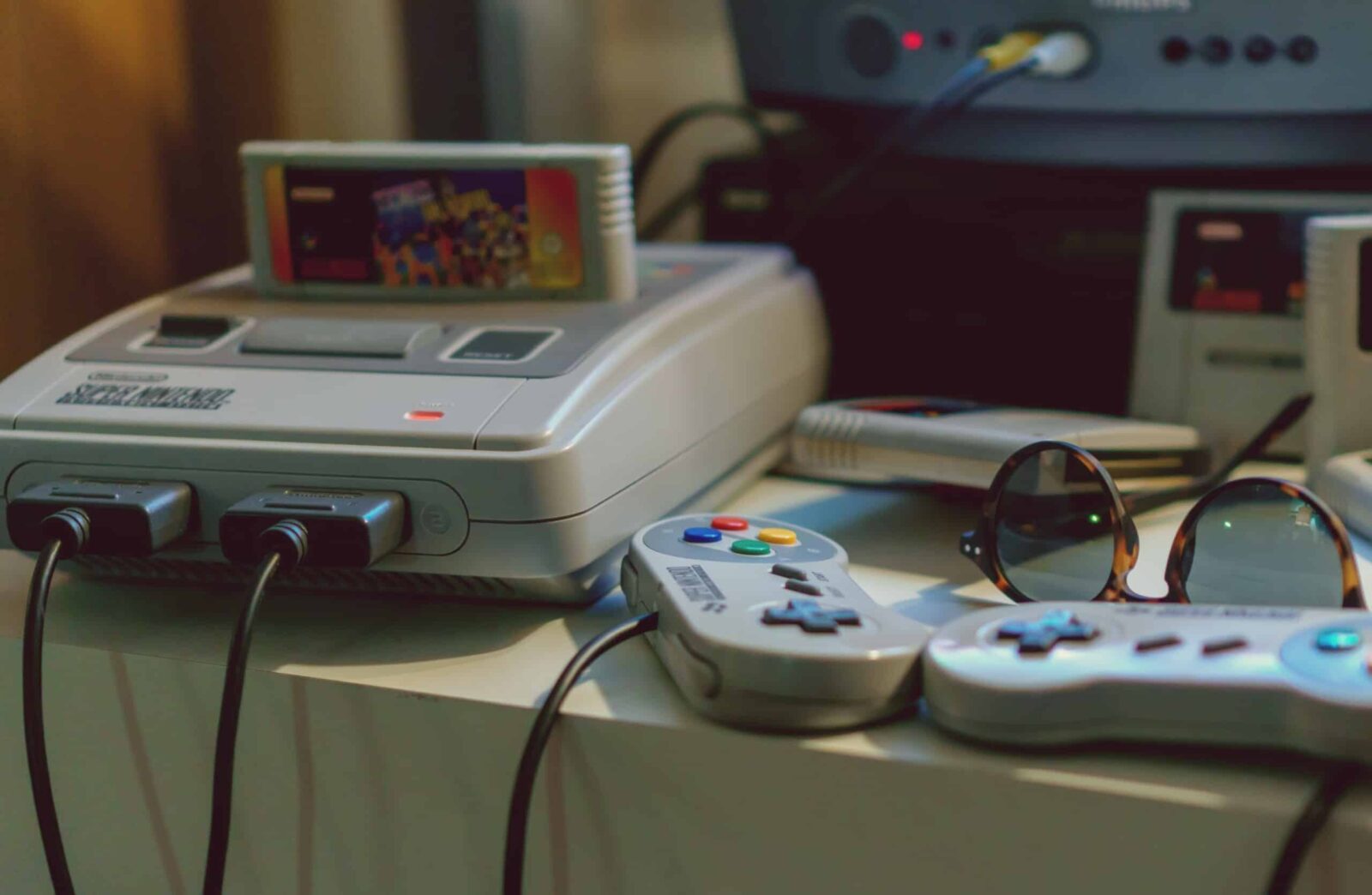
Retro gaming has always been more than just nostalgia. It’s about revisiting a simpler time, rekindling the joy of our childhoods, and preserving the culture that shaped us. For me, it was the dream of building a Sega arcade cabinet—a tribute to the SG-1000 and the golden era of gaming. But what should have been a celebration turned into a bitter reckoning. The Analogue Mega Sg, a console once hailed as the modern savior of retro gaming, is now a scalper’s trophy, selling at triple its original price.
It’s not just about Analogue; this is a systemic problem, one that exploits passion and nostalgia to fuel artificial scarcity and profit. The retro gaming community deserves better, but to demand change, we need to confront the ugly truth about how companies manipulate demand and enable speculators to thrive.
The Dream Turned Nightmare: My Arcade Cabinet
Earlier this year, I embarked on an ambitious project: designing a custom Sega arcade cabinet. It wasn’t just a gaming setup; it was a love letter to Sega’s history, honoring their early consoles like the SG-1000. The Analogue Mega Sg, capable of playing SG-1000 games through its specialized adapter, seemed like the perfect fit. But when I started looking for one, I was shocked.
The Mega Sg, which originally retailed for $250, was nowhere to be found at that price. Instead, it dominated secondary marketplaces with price tags exceeding $1,000. My frustration deepened as I realized this wasn’t a sudden spike; it was the culmination of deliberate scarcity and market manipulation. The console had been out of stock since last year, and Analogue had shown no signs of restocking.
What was supposed to be the crown jewel of my project became a glaring void, a painful reminder of how retro gaming has been hijacked by scalpers and corporate greed.
Scarcity: A Calculated Strategy
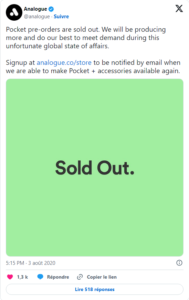
Analogue isn’t a victim of high demand—it’s a master manipulator of it. The company has made a habit of producing limited quantities of their consoles, ensuring immediate sell-outs and fueling hype. Take the Analogue Pocket, for instance. This modernized Game Boy sold out in under 15 minutes when pre-orders opened (source).
Instead of apologizing to frustrated customers, Analogue celebrated. A bright green banner reading “Sold Out” was plastered across their social media, as if the scarcity was an achievement. This isn’t about unforeseen demand or supply chain issues. It’s a deliberate strategy to create exclusivity and inflate perceived value. By limiting production, Analogue ensures that their consoles don’t just sell—they become status symbols.
A Scalper’s Playground
Analogue’s limited production directly feeds the scalper economy. Without measures like purchase limits or anti-bot technology, scalpers scoop up stock in seconds, reselling it at exorbitant prices. The Mega Sg, once $250, now regularly sells for $1,000 or more.
But this isn’t just a story about opportunistic individuals; it’s about systemic negligence. Companies like Analogue enable this behavior by failing to implement safeguards. Worse, they benefit from the secondary market hype. The inflated prices create the illusion of demand, making their products seem more desirable and exclusive.
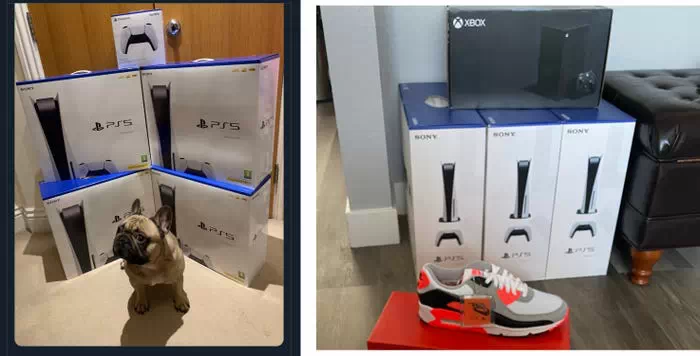
This isn’t unique to Analogue. Sony faced similar backlash with the PlayStation 5. Scalpers dominated the market, selling consoles at double or triple their retail price. Sony’s response? Vague promises to improve supply (source). But the reality is clear: companies benefit from this cycle of scarcity and inflated demand, even if they feign concern.
Retro Gaming and Real Estate: The Same Playbook
The retro gaming market’s exploitation mirrors another broken system: real estate. When housing supply doesn’t meet demand, speculators swoop in, buying up properties to rent or resell at inflated prices. The result? Ordinary people are priced out of homes, forced to pay exorbitant rents or abandon their dreams of ownership.
In gaming, consoles like the Mega Sg have become speculative assets rather than tools for enjoyment. Scalpers hoard them, exploiting fans who want to connect with their past. Analogue, much like predatory landlords, creates the conditions for this exploitation by producing far fewer units than the market demands. The result is the same: a community robbed of accessibility and joy.
The Uber Eats Parallel: Exploitation Disguised as Progress
This manipulation isn’t confined to gaming. Consider Uber Eats, a company that thrived during the pandemic but reported staggering losses while underpaying its workers (source). Uber’s strategy of claiming poverty while exploiting its drivers mirrors Analogue’s approach: present yourself as a struggling provider while profiting from systemic exploitation.
Analogue’s press materials further this illusion. Their website is filled with disclaimers and carefully curated images that project an image of respectability:
- “Analogue does not infringe on any copyright or trademarks.”
- “Games showcased illustrate compatibility.”
(refer to the image below)
But while Analogue claims transparency, their oversized legal mentions and meticulously crafted visuals are designed to inspire trust, not accountability. This careful presentation hides a deeper reality: calculated scarcity, disregard for frustrated customers, and manipulation of demand under a polished facade.

Nostalgia Exploited: How Analogue Betrays Retro Gaming Fans
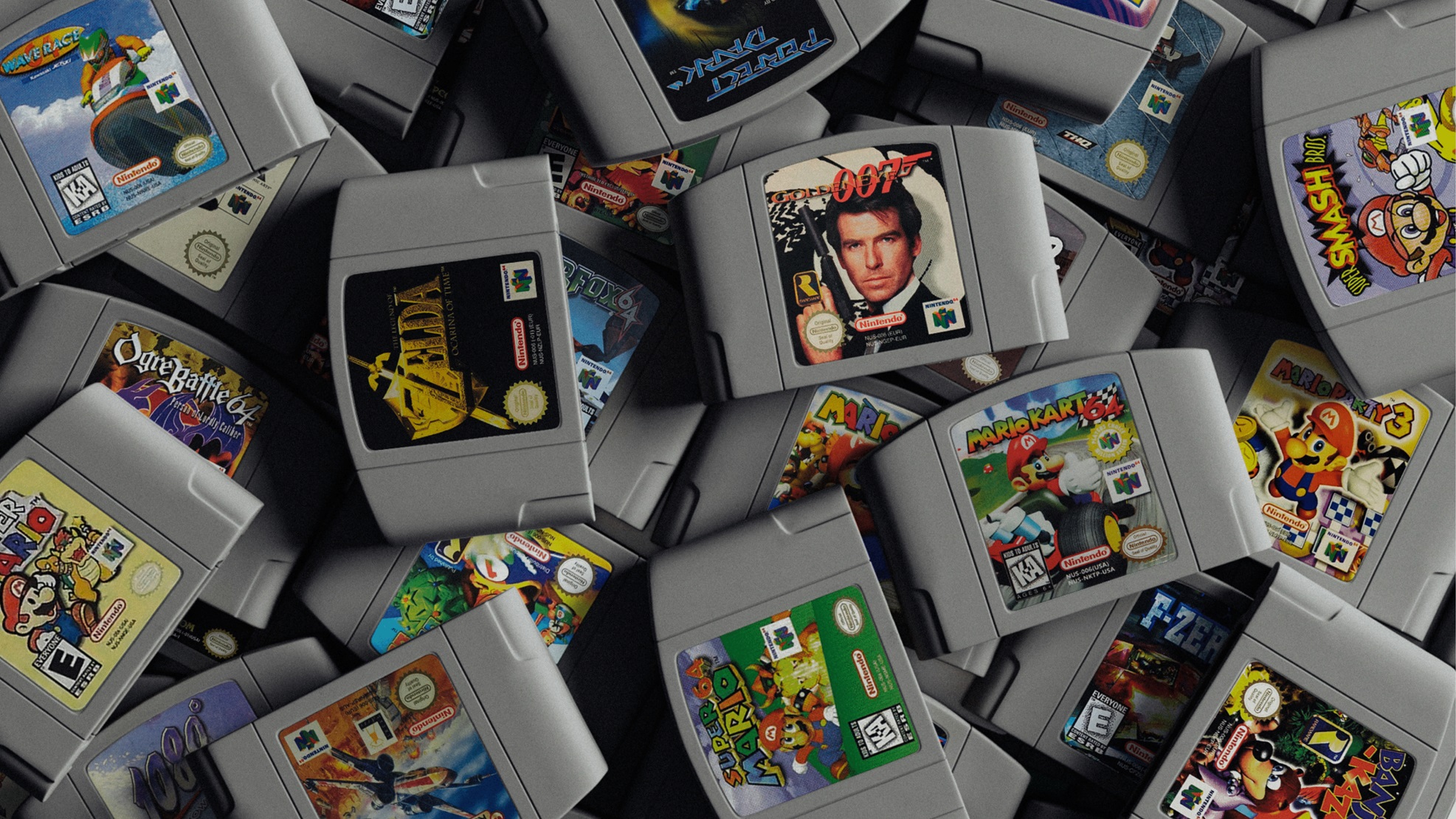
Analogue’s marketing is a masterclass in illusion, carefully crafted to prey on the emotions of retro gaming fans. Their promotional imagery—featuring immaculate, hand-picked cartridges of GoldenEye 007, Mario Kart 64, and The Legend of Zelda: Ocarina of Time—is designed to evoke not just nostalgia but reverence. Refer to the image below. Yet this meticulous presentation masks a harsher reality: Analogue’s deliberate scarcity ensures that their consoles vanish from shelves in minutes, only to reappear on reseller platforms at astronomical markups. Take their Analogue SG console, originally priced at $250, now resold for upwards of $1,000—a 300% markup that puts it out of reach for most gamers.
This manipulation isn’t just a hypothetical issue; it’s personal. As a Sega enthusiast, I dreamed of building an arcade cabinet to honor the legacy of the SG-1000. I saved, planned, and designed a chassis to house the perfect console. But by the time I was ready to purchase, prices had soared, and my dream had crumbled. This frustration isn’t unique—it’s emblematic of a larger issue in how companies exploit their most loyal customers. Sony’s PS5 shortages follow the same blueprint: consoles released in limited quantities, scalpers hoarding units, and corporations doing little to intervene. Even the housing market operates on a similar principle, where scarcity is weaponized to inflate prices and lock out genuine buyers.
Analogue’s practices betray the very community they claim to serve. By choosing exclusivity over accessibility and allowing scalpers to dominate, they’ve turned a celebration of gaming’s golden age into an exercise in exploitation. Retro gaming isn’t supposed to be about artificial scarcity or profiteering; it’s supposed to honor the past. Fans deserve better. Companies like Analogue need to stop manipulating their customers and start respecting the culture they profit from.
The Community Impact
Beyond the price hikes and scalping, the true tragedy lies in the alienation of retro gaming enthusiasts. Forums and social media are filled with stories of fans who feel priced out of their own passion. Analogue’s practices turn what should be a shared cultural experience into an exclusive club for those who can afford to play.
This isn’t just about money; it’s about community. Retro gaming was never meant to be a luxury. It was supposed to be accessible—a way to preserve history and bring people together. By prioritizing scarcity and exclusivity, Analogue betrays the very culture it claims to celebrate.
Solutions: Fighting Back Against Exploitation
Change is possible, but it requires action. Here’s how we can fight back:
- Hold companies accountable: Demand transparency about production numbers and plans to meet demand.
- Regulate scalping: Governments must implement stricter laws against bulk buying and price gouging.
- Support ethical brands: Seek out companies that prioritize accessibility over exclusivity.
- Boycott scalpers: Refuse to pay inflated prices, even if it means waiting longer for the product.
As consumers, we have the power to push for change. But we need to act collectively.
Saving Retro Gaming’s Soul
Analogue’s practices aren’t just a failure—they’re a betrayal. By exploiting scarcity and enabling scalpers, they’ve turned retro gaming into a speculative market, stripping it of its accessibility and joy. This isn’t just about one company; it’s about an industry that prioritizes profit over people. It’s about a culture that’s being commodified, one console at a time.
My Sega arcade cabinet may never be what I envisioned, but this fight isn’t over. Retro gaming deserves better. And so do we ■
The Kickstarter Illusion: How Analogue Profits from Scarcity
Imagine this: you’re a lifelong fan of retro gaming, saving for months to finally own a console that promises to connect you with your childhood memories. Analogue’s marketing fosters this dream, presenting itself as a humble creator serving passionate gamers. But scratch beneath the surface, and you’ll find a company leveraging high-end branding and artificial scarcity to inflate prices and exploit nostalgia.
The frustration isn’t just personal—it’s shared across the retro gaming community. After Analogue discontinued their Super NT and Mega SG consoles, prices skyrocketed overnight. As one Reddit user remarked: “The real criminal here is Analogue, who refuses to keep producing these despite clear demand.” Another added: “It feels like they’re creating scarcity on purpose.” (source).
This scarcity isn’t accidental. Analogue’s high-end marketing, reminiscent of luxury tech brands, creates the illusion of exclusivity. Kickstarter campaigns, which should support creators with limited resources, are instead used as platforms for slick, professional branding that contradicts the notion of a small, struggling company. As another Reddit user noted: “Their excuses of being a small business don’t match the polished image they present. It feels like they’re leveraging false scarcity and FOMO.”
The consequences of this strategy are tangible. Consoles like the Mega SG, originally priced at $250, now sell for over $1,000. For fans like myself, who envisioned using the console in a Sega arcade cabinet honoring the SG-1000, this sudden price surge shattered dreams. Retro gaming, meant to preserve history and foster connection, has become yet another speculative market.
The parallels with real estate and luxury goods are striking. Just as housing scarcity allows landlords to inflate rents, Analogue’s limited production runs fuel a speculative market dominated by scalpers. The result? Loyal customers priced out, left to watch their passion commodified.
This problem isn’t unique to Analogue. Sony’s PS5 shortages have followed a similar pattern, with scalpers hoarding units and companies offering vague promises of improvement. Even Uber Eats exemplifies this exploitation, profiting from systemic inequities while presenting itself as a savior.
For Analogue, this isn’t about meeting demand—it’s about creating desire through calculated scarcity. And for fans like myself, it’s a betrayal. Retro gaming deserves better. It’s time for companies to prioritize accessibility over exclusivity, transparency over manipulation, and community over profit.